

In marine operations, compliance is not just an option. Repairing the aluminium boats for safety, structure, stability, and performance over time is based on proper techniques. The effectiveness of a repair will depend on how well it has been performed and to what standard.
Aluminium structures need careful welding, correct procedures, and disciplined execution. Without recognised standards, even a fully completed repair can cause issues for owners and operators. This is why working with frameworks such as DNV approved aluminium welding and Lloyd’s Register aluminium repair offers reassurance that the work is done properly.
Why Compliance Matters in Aluminium Repairs
Aluminium has distinct behaviours compared to other marine materials. It is susceptible to damage through heat, can distort due to improper handling, and must be cleaned prior to being properly welded to provide the necessary strength of the joint. Poorly performed repairs can result in cracking, repetitive failures, or fatigue.
Compliance guarantees that repairs will occur according to established protocols. Compliance upholds the structural integrity of an asset and ensures long-term performance. When a repair is performed in accordance with DNV approved aluminium welding, it represents that the methods, materials, and quality of work used in welding were performed to acceptable industry standards.
Moreover, Lloyd’s Register aluminium repair creates a structured framework in which to conduct aluminium repairs. Consistent and reliable aluminium repairs can then be completed without guessing or using informal methods.
Compliance is not just about protecting the vessels, crews, and operators from avoidable risk.
What Owners and Operators Look For
A vessel owner or technical manager wishes to have a potential repair partner that understands acceptable standards and realizes an ethical process. Therefore, they are looking for:
- Established a structured repair process
- Established documentation of the work
- Established readiness for sign-off
- To have confidence that the repairs on their vessels meet all regulatory expectations.
When an organisation meets DNV standards for aluminium welding and Lloyd’s Register aluminium repair requirements, they show that they follow a disciplined approach. Demonstrating that the methods of carrying out repairs are not made up as they go along but are instead completed according to pre-established marine standards.
Commercial entities often seek this type of assurance because it minimises the chance of being rejected during inspections and protects their reputation for operating.
The Recognised Standards Explained Simply
In the ship repair and welding fields, the marine industry has several approved standards and guidelines provided by different reputable institutions to use when welding an aluminium vessel.
DNV is one such institution, and it facilitates shipyards performing safe and reliable marine operations using DNV approved aluminium welding processes that verify that the completed welds will meet DNV’s expected product quality and structural integrity requirements.
Lloyd’s Register is another globally respected authority. Delivering work to Lloyd’s Register aluminium repair standards ensures aluminium repairs meet established marine requirements.
Bureau Veritas aluminium repair standards also give guidance for safe and compliant aluminium work, introducing quality control and professional execution.
MCA approved aluminum welding in the UK matches what the “Maritime and Coastguard Agency” expects from its operators, thus ensuring regulated confidence to the operator.
When referring to having “approval to weld aluminum and fabricate”, this means that work is carried out in accordance with those recognised marine standards and has no unnecessary complexity. It simply shows that the welding processes, materials, and execution performed adhere to the standard practices of the industry.
This clarity is important to the vessel owners.
What Compliance Means for Clients
Working with the recognised standards brings the best results.
First, it gives confidence. Owners know that their aluminium repairs are not shortcuts but properly structured solutions. When repairs meet DNV approved aluminium welding standards, it decreases the uncertainty.
Secondly, reducing operational risk, carrying out Lloyd’s Register aluminium repairs on vessels will reduce the likelihood that vessels will experience any complications during their verification or inspection activities.
Thirdly, it will provide confidence in professional sign-offs. Regardless of whether the vessel is a passenger vessel, fast vessel, or other commercial operating asset, compliance ensures that repairs are conducted in accordance with the marine industry.
Reputation is the fourth benefit; hence, compliant ship repair guarantees that all who operate the vessel are professionals in doing what’s best for the operation of a vessel.
The result of compliance is the continued trust the operator has in the stakeholder, charterer, and the regulatory agencies.
Consistency in Execution
Compliance is not about the paperwork alone. It is about consistent execution.
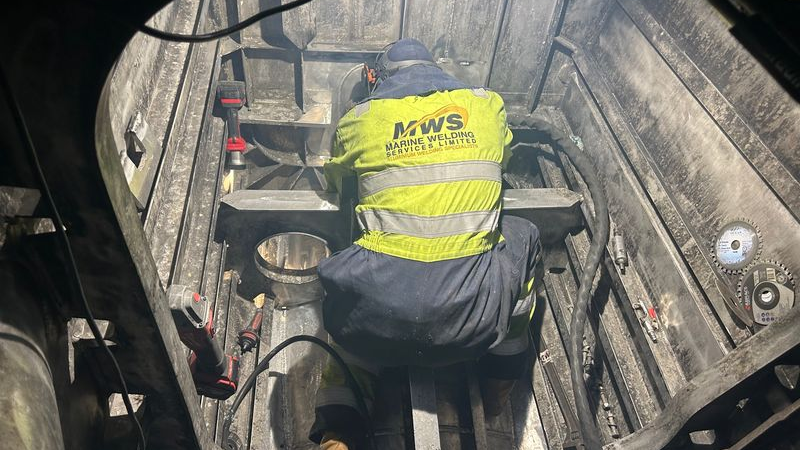
Aluminium welding should follow defined procedures. Fabrication must respect structural alignment. Heat input must be controlled. Repairs must be done cleanly and professionally.
Through following various standards such as DNV approved aluminum welding and Lloyd’s Register aluminum repair, the repair teams are conducted within a disciplined environment that produces consistency to minimise variation, in addition to improving long-term vessel operation.
Furthermore, it is guaranteed that the speed of work does not affect the quality.
Compliance and Rapid Response Go Together
In marine operations, it’s a widely held belief that speed and compliance cannot co-exist and that to achieve urgent repairs, you have to give up performance. This is incorrect.
True capabilities provide rapid mobilisation without compromising accepted standards. When a vessel needs urgent work, a DNV approved aluminium welding team does not need to slow down to “work it out”, since the procedures are already defined.
In the case of Lloyd’s Register’s aluminium repair process, the establishment of clear procedures enables repair teams to respond quickly, without sacrificing quality. Fast doesn’t mean
By integrating compliance into daily operations, rapid response becomes an organised process rather than one that is rushed.
Compliance Without Compromise
As a marine repair service, compliance is not just something you claim to be; it is a duty.
Delivering compliance with the four organisations mentioned above to ensure that all vessels are repaired safely and professionally delivers comfort to both owners and operators alike in reduced risk, enhanced long-term performance, and readiness for professional sign-off.
When you build compliance into the foundation of repairing something, being fast is a positive instead of a negative.
Because in marine operations, where you’re capable of doing the job and are compliant, will always outperform being done quickly and casually.